
The landscape of digital information is constantly evolving, and with it, the methods and motivations behind unauthorized access. As professionals, we're tasked with safeguarding sensitive data, and staying ahead of emerging threats is paramount. Recent analyses of the document security industry offer a clearer picture of the challenges and advancements shaping how we protect our digital assets.
Understanding these shifts is not just about compliance; it's about proactive defense. The insights gleaned from these reports help us anticipate vulnerabilities and implement more robust security measures, ensuring the integrity and confidentiality of critical information.
Table of Contents
Emerging Threats and Vulnerabilities
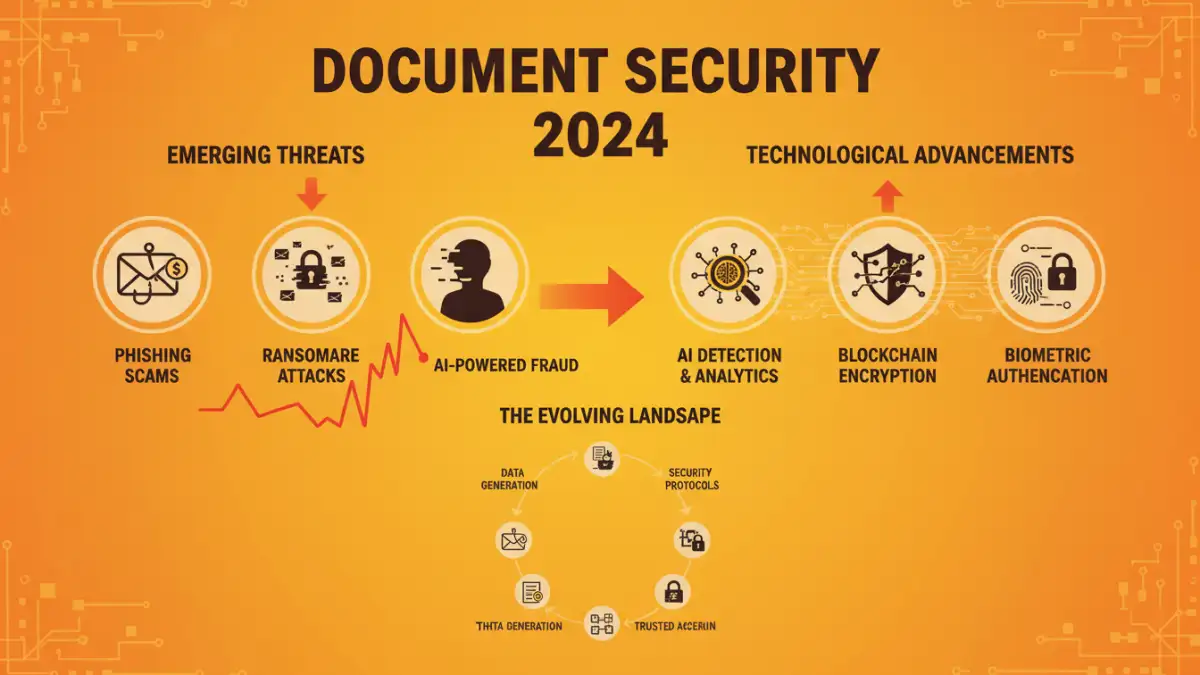
The 2024 document security report highlights a significant increase in sophisticated phishing and ransomware attacks targeting business documents. Attackers are becoming adept at exploiting human error and leveraging advanced social engineering tactics to bypass traditional security perimeters. This means that even well-protected systems can be compromised if user vigilance isn't maintained.
Furthermore, the report points to a growing concern around insider threats, whether malicious or accidental. Unintentional data leaks due to misconfigured cloud storage or improper access controls remain a persistent issue. Organizations must therefore focus on both external defenses and internal protocols to create a comprehensive security posture.
Ransomware Evolution
Ransomware tactics are evolving rapidly. Beyond simply encrypting files, attackers are now threatening to leak stolen data if a ransom is not paid, adding a double-extortion layer. This makes robust backup and recovery strategies, alongside strong preventative measures, more critical than ever.
Technological Advancements in Protection

On the defensive front, several technological advancements are reshaping document security. Artificial intelligence and machine learning are increasingly being used to detect anomalous behavior and identify potential threats in real-time. These tools can analyze vast amounts of data to flag suspicious activities that might otherwise go unnoticed.
End-to-end encryption for documents and secure cloud storage solutions are becoming more sophisticated and accessible. Technologies like zero-trust architecture are also gaining traction, shifting the focus from network-based security to verifying every access request, regardless of origin. This granular approach significantly reduces the attack surface.
AI and ML in Threat Detection
AI-powered security solutions offer predictive capabilities, analyzing patterns to anticipate and neutralize threats before they can cause damage. This proactive approach is a significant leap from reactive security measures, offering a more resilient defense against evolving cyber threats.
The Human Element in Document Security
Despite technological advancements, the human factor remains a critical component in document security. Training employees on best practices for handling sensitive information, recognizing phishing attempts, and using strong, unique passwords is non-negotiable. A well-informed workforce is one of the strongest lines of defense.
Implementing clear policies and procedures for document handling, access control, and data disposal is also essential. Regular audits and security awareness campaigns can reinforce good habits and identify areas where further training or policy adjustments are needed. It's a continuous effort to build a security-conscious culture.
Security Awareness Training
Effective security awareness training goes beyond one-off sessions. It should be ongoing, engaging, and tailored to the specific risks an organization faces. Real-world examples and simulated attacks can help employees understand the practical implications of security lapses.
Regulatory Landscape and Compliance
The regulatory environment surrounding data privacy and document security continues to tighten globally. New regulations and updates to existing ones, such as GDPR and CCPA, impose strict requirements on how organizations collect, store, and process personal data. Compliance is no longer optional; it's a legal imperative.
Organizations must ensure their document security practices align with these regulations to avoid hefty fines and reputational damage. This often involves implementing data governance frameworks, conducting regular risk assessments, and maintaining detailed records of data processing activities. Staying informed about evolving legal requirements is crucial for sustained compliance.
Future Outlook and Recommendations
Looking ahead, the trend towards remote and hybrid work models will continue to influence document security strategies. Protecting data across distributed workforces requires a robust blend of technological solutions and clear, enforceable policies. Secure collaboration tools and virtual private networks will remain vital.
Organizations should prioritize a layered security approach, combining advanced threat detection, robust encryption, stringent access controls, and continuous employee training. Investing in comprehensive security solutions and fostering a strong security culture are key to navigating the evolving threat landscape effectively. The insights from the latest document security report provide a roadmap for these crucial efforts.
Comparison of Document Security Measures
| Security Measure | Primary Benefit | Potential Drawback | Ideal Use Case |
|---|---|---|---|
| End-to-End Encryption | Confidentiality, protects data in transit and at rest | Can impact performance, requires key management | Highly sensitive documents, client communications |
| Access Control Lists (ACLs) | Granular permission management, restricts unauthorized access | Complex to manage at scale, prone to misconfiguration | Internal document repositories, shared drives |
| Multi-Factor Authentication (MFA) | Stronger user verification, prevents account takeover | Can add friction to user experience, requires setup | Access to cloud storage, sensitive applications |
| Data Loss Prevention (DLP) Tools | Prevents sensitive data exfiltration | Can generate false positives, requires tuning | Organizations handling large volumes of sensitive data |
| Regular Security Audits | Identifies vulnerabilities and compliance gaps | Resource-intensive, requires skilled personnel | All organizations, especially those in regulated industries |