
Working with password-protected documents can be frustrating, especially when you need to grant access to others or retrieve your own files quickly. The traditional methods of sharing passwords or relying on simple, easily guessable codes often fall short in today's threat landscape. This is where the integration of artificial intelligence into password management, particularly for document security, begins to shine.
As someone who has navigated the complexities of digital security for over a decade, I've seen firsthand how evolving threats necessitate smarter solutions. The challenge isn't just about creating strong passwords, but managing them effectively and ensuring that sensitive documents remain accessible only to authorized individuals without becoming a security liability. AI password managers are emerging as a powerful ally in this ongoing battle.
Table of Contents
Understanding AI Password Managers
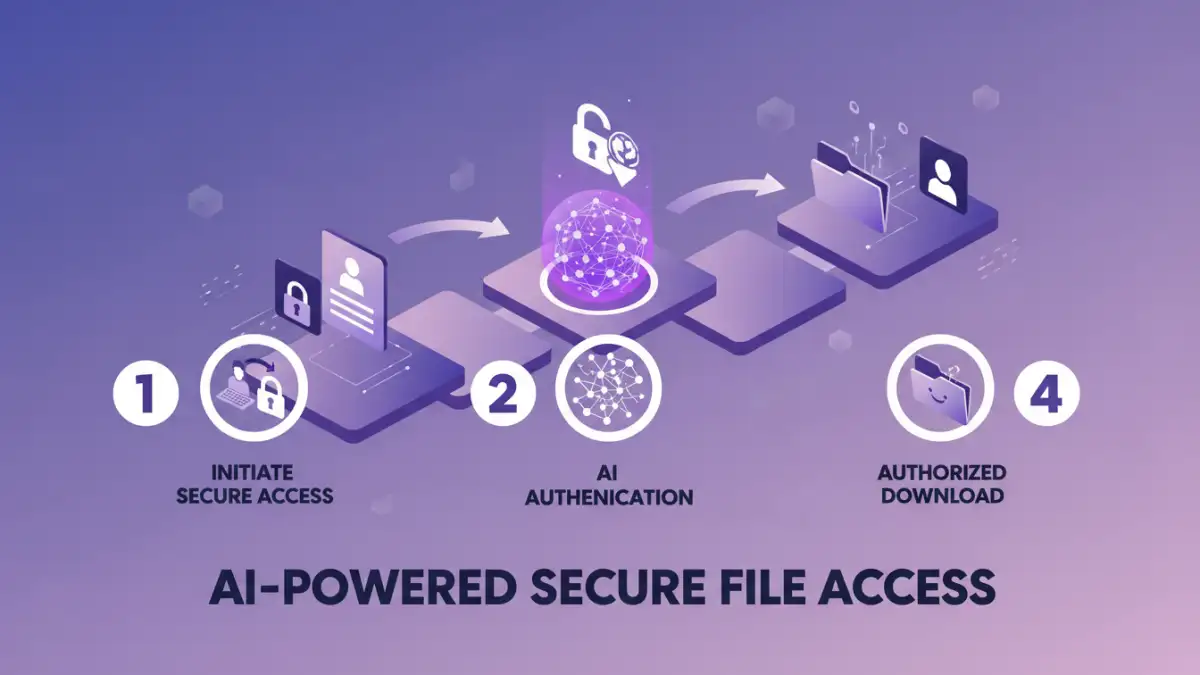
At its core, an AI password manager is a sophisticated tool designed to store, generate, and manage your login credentials. Unlike basic password vaults, these AI-powered solutions leverage machine learning algorithms to offer advanced security features and predictive capabilities. They can analyze password strength, detect potential breaches, and even automate the process of logging into various applications and services, including those that protect your documents.
The Role of AI in Credential Management
The intelligence aspect comes from AI's ability to learn user behavior patterns, identify anomalies, and adapt security protocols in real-time. This means your passwords aren't just stored; they are actively protected by a system that understands and anticipates potential threats. This proactive approach is crucial for safeguarding any sensitive information, especially when it pertains to critical business documents or personal records.
How AI Enhances Document Security

When we talk about securing documents, we're often referring to encryption, access controls, and robust authentication. AI password managers integrate seamlessly into these layers of defense. They can generate exceptionally strong, unique passwords for document encryption tools or cloud storage services, making brute-force attacks significantly harder.
Furthermore, AI can monitor access logs for suspicious activity. If a document's access pattern deviates unexpectedly, an AI password manager might flag it or even temporarily revoke access, preventing unauthorized data exfiltration. This intelligent oversight provides a level of security far beyond static password protection, contributing to overall AI document security.
Benefits for Secure File Access
The primary goal is secure file access without the usual friction. AI password managers streamline this process. Imagine needing to share a highly confidential report; instead of emailing a password separately, an AI manager could facilitate a secure, temporary access link or authenticate a user based on multiple factors learned by the AI. This ensures that only verified individuals can access the files when needed.
The convenience factor is also significant. By remembering and auto-filling complex passwords for various document repositories or encrypted files, these tools reduce the cognitive load on users. This leads to better adherence to security policies, as users are less likely to resort to weak or reused passwords when faced with a cumbersome system. The password management AI aspect here is about making robust security accessible.
Implementation Strategies
Integrating AI password managers into your workflow for document security involves a few key steps. First, choose a reputable AI password manager that supports secure document storage or integrates well with your existing cloud services and encryption tools. Look for features like multi-factor authentication (MFA), zero-knowledge encryption, and breach monitoring.
Next, systematically migrate your existing passwords and credentials into the manager. Use its AI-powered generation capabilities to create strong, unique passwords for all your document-related accounts, including encrypted folders, cloud storage platforms, and any software used for file protection. Educate your team on best practices for using the manager and enforcing strong password policies.
Future Trends in AI Security
The evolution of AI in cybersecurity is rapid. We can expect AI password managers to become even more sophisticated, offering predictive security analytics that can identify potential vulnerabilities before they are exploited. Features like biometric authentication integrated with AI-driven behavioral analysis will become more common for granting access to sensitive documents.
The concept of an ai password document workflow will likely become more integrated, with AI not just managing passwords but actively participating in the document lifecycle, from creation and encryption to secure sharing and archival. This promises a future where security is more intuitive, adaptive, and less of a burden.
Comparison Table: Password Management Solutions
| Solution Type | Key Features | Security Level | Ease of Use | Primary Use Case |
|---|---|---|---|---|
| Basic Password Vault | Stores passwords, basic generation | Moderate | High | Personal use, simple needs |
| AI Password Manager | Advanced generation, breach detection, behavioral analysis | High to Very High | Moderate to High | Comprehensive digital security, secure file access |
| Built-in OS/Browser Managers | Autofill, basic storage | Moderate | Very High | Convenience for everyday logins |
| Manual Management (Spreadsheet) | User-defined storage | Low to Moderate | Low | Not recommended for sensitive data |