Working with password-protected documents can be frustrating, especially when you encounter unexpected browser issues. Many of us rely on our web browsers for daily tasks, including viewing and managing PDFs. However, when these tools present challenges, particularly with secure files, it can halt productivity. I've often seen colleagues grapple with files that won't open, or worse, seem inaccessible due to browser quirks.
This isn't just about convenience; it's about secure file access. When sensitive information is locked behind a password, the last thing you want is for your browser to become another hurdle. Understanding potential browser pdf problems and knowing how to implement secure access solutions is crucial for both individuals and businesses.
Table of Contents
Understanding Browser PDF Problems
Modern browsers like Microsoft Edge have built-in PDF viewers, offering a seamless experience for most users. However, these viewers can sometimes falter, especially with complex or protected PDF files. Issues can range from a blank page appearing instead of the document, to the browser freezing or crashing when you try to open a file. These edge pdf issues often stem from the PDF itself, browser settings, or extensions.
Common Browser PDF Glitches
One common problem is when a PDF is encrypted with a password that the browser's built-in viewer struggles to handle correctly. This can be due to outdated browser versions, conflicts with browser extensions, or even corrupted temporary files. Sometimes, specific PDF features like interactive forms or embedded media can also cause compatibility problems within the browser's rendering engine.
Secure File Access Methods
Securing your documents is paramount. Beyond simple password protection, various methods ensure that only authorized individuals can access your files. This involves understanding different encryption levels and access control mechanisms. The goal is to prevent unauthorized viewing, modification, or distribution of sensitive information.
Password Protection Strategies
The most common method is password protection, often implemented using industry-standard encryption like AES-256. When setting passwords, it's vital to choose strong, unique passphrases that are difficult to guess. For business-critical documents, consider implementing granular permissions, allowing users to view but not print or copy content, which is a more robust form of secure pdf access.
Troubleshooting Edge PDF Issues
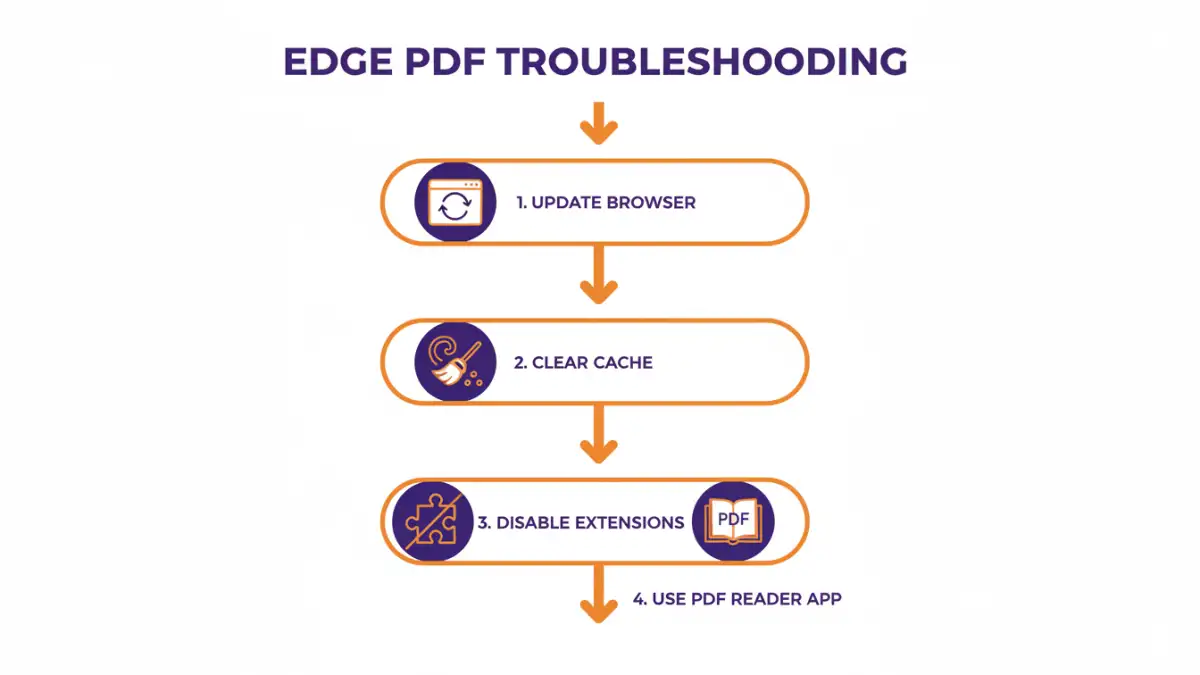
When you encounter browser file problems, particularly with PDFs in Edge, there are several steps you can take. First, ensure your browser is up-to-date. Outdated versions often have bugs that have been fixed in newer releases. Clearing your browser's cache and cookies can also resolve rendering issues, as corrupted temporary data can interfere with file display.
Try disabling browser extensions one by one to identify if any are causing conflicts. Extensions that interact with web content or security can sometimes interfere with the PDF viewer. If the problem persists, consider using a dedicated PDF reader application like Adobe Acrobat Reader, which offers more robust handling of complex and protected files. This bypasses the browser's viewer entirely, often resolving browser pdf problems quickly.
Advanced Security Considerations
For highly sensitive data, relying solely on browser-based viewing or basic password protection might not be sufficient. Consider implementing digital signatures to verify document authenticity and integrity. Document management systems (DMS) can also provide centralized, secure storage with detailed audit trails, tracking who accessed what and when.
Encryption at rest is another layer of security, ensuring files are protected even if stored on a compromised server. For collaborative environments, explore secure sharing platforms that offer end-to-end encryption and controlled access for teams. These advanced measures go beyond standard browser capabilities to offer comprehensive protection.
Best Practices for Secure Access
To maintain secure pdf access and avoid common browser file problems, adopt a proactive approach. Always use strong, unique passwords for your protected documents. Regularly update your browser and any PDF reader software. Be cautious about which browser extensions you install and grant permissions to, as they can be a source of edge pdf issues.
When sharing sensitive documents, use secure methods. Instead of emailing password-protected files, consider using encrypted file-sharing services. Regularly review who has access to your critical files and revoke permissions when no longer needed. This multi-layered approach ensures your data remains protected against unauthorized access and browser-related hiccups.
Comparison Table: Secure PDF Access Methods
| Method | Description | Security Level | Ease of Use | Best For |
|---|---|---|---|---|
| Browser Built-in Viewer | Opens PDFs directly in Edge. | Basic (handles simple passwords). | Very High (no extra software). | Quick viewing of unprotected or simply password-protected PDFs. |
| Dedicated PDF Reader (e.g., Adobe Acrobat Reader) | Opens PDFs using standalone software. | High (handles complex encryption, digital signatures). | High (familiar interface). | Viewing and managing complex, protected, or interactive PDFs. |
| Online PDF Tools | Web-based services for encryption/decryption. | Variable (depends on service provider, potential privacy risks). | High (convenient for simple tasks). | Quick, one-off tasks for unprotected files or when privacy is less critical. |
| Document Management Systems (DMS) | Centralized platform for storing and managing documents with access controls. | Very High (granular permissions, audit trails, encryption at rest). | Medium (requires setup and training). | Businesses requiring robust security, compliance, and collaboration features. |