The landscape of digital communication is constantly evolving, and with it, the imperative for robust data security. Businesses and individuals alike are grappling with an escalating volume of sensitive information that needs to be shared across networks, often with external partners or clients. This necessity highlights a critical area: the methods and technologies employed for secure data exchange. My work has often involved architecting solutions that balance ease of access with stringent security protocols, a challenge that is at the heart of the encrypted file sharing market.
Understanding the current trajectory of this market is crucial for anyone involved in IT security, compliance, or even general digital best practices. The demand for solutions that protect data in transit and at rest is not just a technical requirement; it's a business imperative driven by regulatory pressures and the ever-present threat of cyberattacks. This report delves into the key drivers and trends shaping the encrypted file sharing space in 2024.
Table of Contents
Key Market Drivers
Several factors are propelling the growth and innovation within the encrypted file sharing sector. Foremost among these is the increasing sophistication and frequency of cyber threats. Ransomware attacks, data breaches, and insider threats are becoming more prevalent, pushing organizations to adopt stronger security measures for all their data exchanges. The need to protect intellectual property, customer data, and financial information is paramount.
Furthermore, a growing regulatory landscape plays a significant role. Regulations like GDPR, CCPA, HIPAA, and others mandate strict data protection and privacy controls. Companies must demonstrate compliance, which often involves implementing robust encryption for any sensitive data being shared. Non-compliance can lead to hefty fines and severe reputational damage, making secure file transfer solutions a necessity rather than an option.
Emerging Technologies
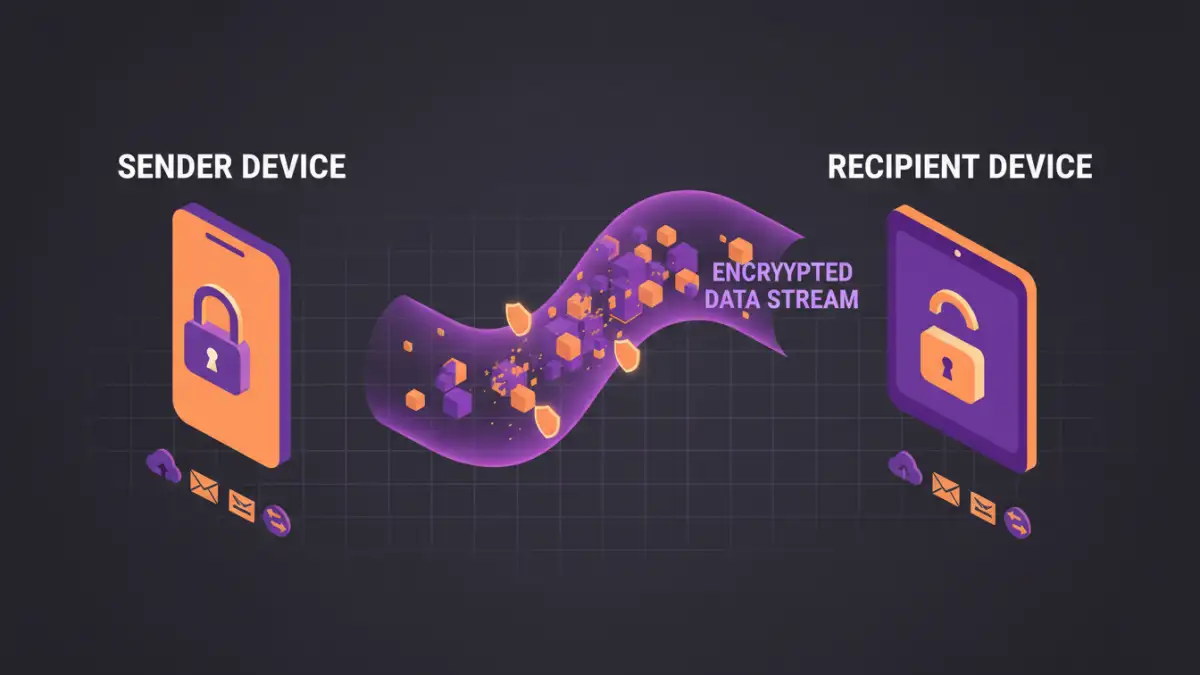
The technology underpinning encrypted file sharing is continuously advancing. End-to-end encryption (E2EE) remains a cornerstone, ensuring that only the sender and intended recipient can access the content. Innovations are focused on making E2EE more seamless and user-friendly, integrating it directly into everyday workflows.
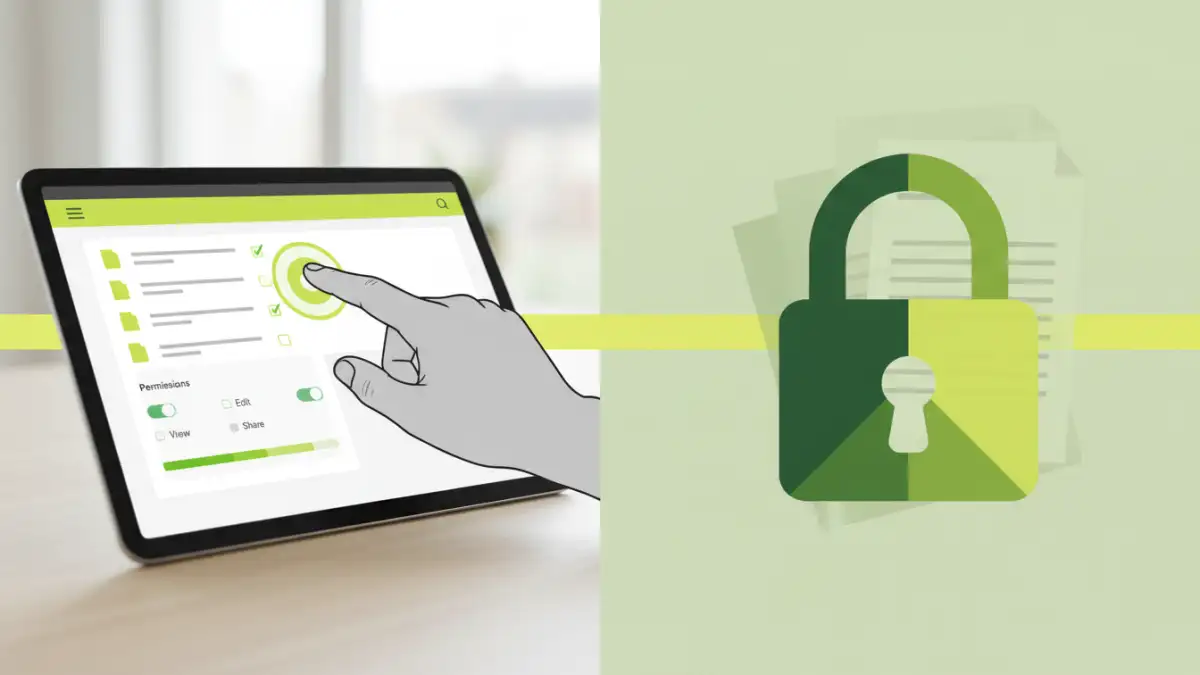
We are also seeing increased adoption of zero-trust security models, which extend to file sharing. This means that no user or device is inherently trusted, and verification is required for every access attempt. Advanced features like granular access controls, watermarking, and automatic data expiry are becoming standard, offering finer control over shared documents and enhancing the overall security posture.
Industry Adoption and Use Cases
Across various sectors, the adoption of encrypted file sharing solutions is on the rise. Healthcare organizations, for instance, rely heavily on secure methods to share patient records while adhering to HIPAA regulations. Financial institutions use these tools to exchange sensitive client data and transaction details securely, mitigating fraud risks.
Creative industries, legal firms, and research institutions also benefit immensely. These sectors often deal with highly confidential documents, proprietary designs, and sensitive research findings. The ability to share these files with collaborators or clients without fear of unauthorized access is critical for their operations and competitive advantage. This broad adoption signals a maturing market where security is a fundamental requirement.
Challenges and Future Outlook
Despite the progress, challenges persist. User adoption can sometimes be hindered by complex interfaces or perceived performance impacts. Balancing robust security with user experience remains an ongoing effort for solution providers. Ensuring that encryption keys are managed securely and accessible to authorized personnel is another critical aspect that requires careful planning.
Looking ahead, the encrypted file sharing market is poised for continued growth. We can expect further integration with cloud storage services, AI-driven threat detection to proactively identify and flag suspicious sharing activities, and more sophisticated collaboration features built on secure foundations. The focus will remain on making secure data sharing as intuitive and efficient as traditional, less secure methods.
Solution Comparison
| Method | Pros | Cons | Best For |
|---|---|---|---|
| End-to-End Encrypted Cloud Services | High security, seamless integration with cloud storage, accessible from anywhere | Relies on provider's security infrastructure, potential performance impact for large files | Teams and organizations needing regular, secure cloud-based collaboration |
| Secure File Transfer Protocol (SFTP) | Robust, reliable, widely supported by enterprise systems, good for large file transfers | Requires technical setup and client software, less user-friendly for non-technical users | IT departments and developers needing automated, secure file transfers between servers |
| Encrypted Email Attachments | Simple for occasional use, leverages existing email infrastructure | Limited file size, cumbersome for frequent sharing, potential for misconfiguration or human error | Sending small, sensitive documents occasionally to known recipients |
| Dedicated Secure File Sharing Platforms | Comprehensive features (tracking, permissions, audit trails), user-friendly interfaces, strong encryption options | Often subscription-based, can be costly for small teams or individuals | Businesses requiring advanced security, compliance, and collaboration features |