The digital landscape has dramatically reshaped how we handle sensitive information. I've seen firsthand how crucial it is to not just protect data, but to do so in a way that respects evolving privacy regulations. With the increasing complexity of data regulations like GDPR, simply encrypting a document isn't enough; understanding its broader impact on how we share these protected files is paramount for any organization operating with EU citizens' data.
Table of Contents
GDPR's Core Principles for Data Sharing
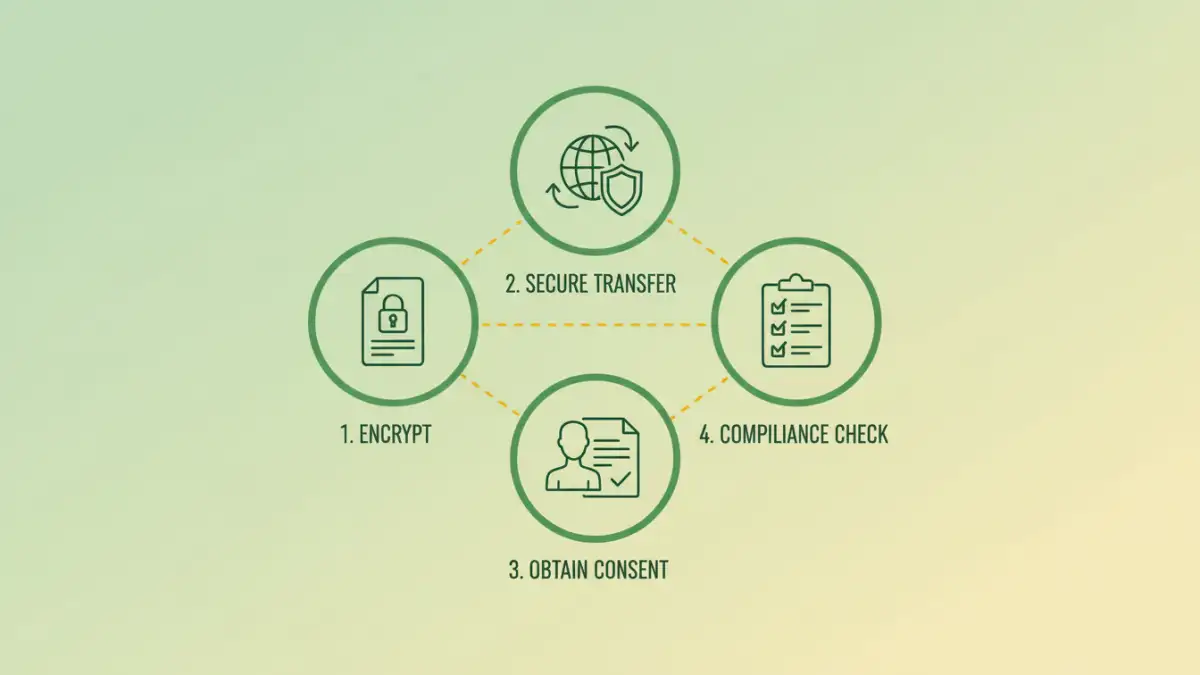
At its heart, GDPR is about protecting individuals' personal data. When you're involved in encrypted document sharing, especially with documents containing personal data, these principles become your guiding stars. Understanding them is the first step towards achieving robust GDPR document security.
Lawfulness, Fairness, and Transparency
Any processing of personal data, including sharing, must have a lawful basis. This could be consent, a contract, legal obligation, vital interests, public task, or legitimate interests. Transparency requires individuals to be informed about how their data is being used and shared. For secure file transfer, this means clearly communicating your data handling practices.
Purpose Limitation and Data Minimization
Data should only be collected for specified, explicit, and legitimate purposes, and not further processed in a manner incompatible with those purposes. Data minimization means collecting and processing only the data that is absolutely necessary for the stated purpose. When sharing encrypted documents, ensure the content aligns with the purpose and doesn't contain superfluous personal data.
The Role of Encryption in GDPR Compliance
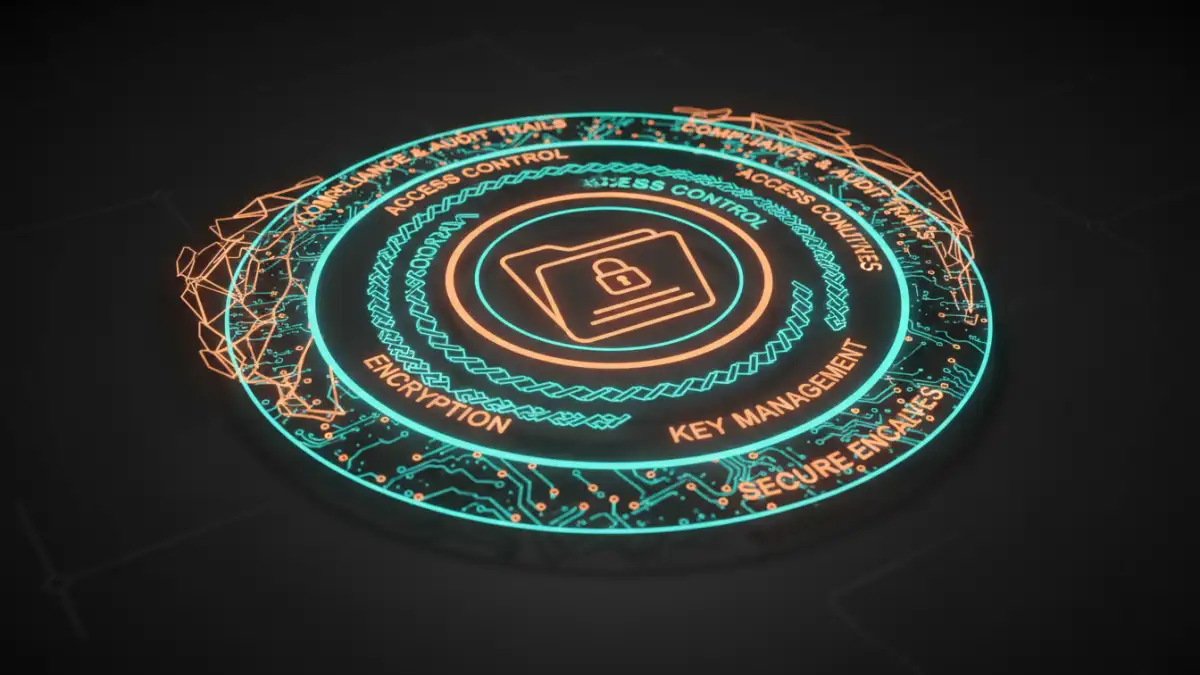
Encryption is a vital technical and organizational measure under GDPR, but it's not a silver bullet. While it provides a strong layer of protection for personal data, its effectiveness in achieving GDPR compliance depends on how it's implemented and managed throughout the entire data lifecycle, particularly during encrypted document sharing.
Technical and Organizational Measures
Article 32 of GDPR mandates appropriate technical and organizational measures to ensure a level of security appropriate to the risk. Encryption is explicitly mentioned as a key measure for pseudonymisation and encryption of personal data. It helps protect against unauthorized access, disclosure, alteration, and destruction, which are critical aspects of GDPR document security.
Data Breach Mitigation
In the unfortunate event of a data breach, robust encryption can significantly mitigate the impact. If personal data is encrypted and the encryption key is not compromised, the data may be rendered unintelligible, potentially preventing a notifiable breach. This highlights the importance of strong key management practices alongside secure file transfer.
Challenges and Considerations for International Encrypted Document Sharing
Sharing encrypted documents across borders, especially outside the European Economic Area (EEA), introduces additional layers of complexity under GDPR. International data sharing requires careful consideration of transfer mechanisms to ensure data remains protected to EU standards.
Adequacy Decisions and Standard Contractual Clauses (SCCs)
For transfers to countries not deemed 'adequate' by the European Commission, organizations must implement appropriate safeguards. Standard Contractual Clauses (SCCs) are a common mechanism, but they come with obligations for both data exporters and importers, including performing transfer impact assessments. I've often advised clients that even with encrypted document sharing, the legal framework for the transfer itself must be sound.
Cloud Services and Third-Party Processors
Many organizations rely on cloud providers for secure file transfer and storage. When these providers are outside the EEA, or use sub-processors globally, due diligence is crucial. Ensure your contracts with these third parties include GDPR-compliant clauses and that their encryption practices meet your obligations for EU data protection.
Implementing Robust Encrypted Document Sharing Practices
Moving beyond theoretical compliance, practical implementation is key. As a software engineer, I've helped design and implement systems that ensure data protection isn't an afterthought but an integral part of the workflow for encrypted document sharing.
End-to-End Encryption and Access Control
Prioritize solutions that offer end-to-end encryption, ensuring data is encrypted at the source and only decrypted by the intended recipient. Supplement this with stringent access controls, granting permissions on a 'need-to-know' basis. Regularly review and revoke access as necessary to maintain GDPR document security.
Key Management and Retention Policies
Effective key management is paramount. Securely generate, store, distribute, and revoke encryption keys. Implement clear data retention policies, ensuring that encrypted documents containing personal data are not kept longer than necessary and are securely deleted when their purpose is fulfilled. This is a critical aspect of EU data protection.
Common Pitfalls and How to Avoid Them
Even with the best intentions, organizations can stumble when navigating GDPR and encrypted document sharing. Recognizing these common errors can save a lot of headaches and potential fines.
Over-reliance on Encryption Alone
A common mistake is believing encryption solves all GDPR problems. While essential, it's one part of a larger compliance strategy. You still need lawful bases, consent management, data minimization, and robust internal policies. Encryption doesn't excuse you from these other core principles of EU data protection.
Inadequate Training and Awareness
Technical controls are only as strong as the human element. Staff must be trained on GDPR principles, secure file transfer protocols, and the importance of handling encryption keys and sensitive data responsibly. A single human error can undermine the most sophisticated security infrastructure.
Comparison Table: Secure Document Sharing Methods and GDPR Considerations
| Method | GDPR Pros | GDPR Cons | Best For |
|---|---|---|---|
| End-to-End Encrypted Messaging/Collaboration Tools | Strong technical security (Article 32), good for data minimization | Requires user training, key management overhead, potential for vendor lock-in | Highly sensitive internal/external communication, project collaboration |
| Secure Cloud Storage with Client-Side Encryption | Data remains encrypted even in cloud, user retains key control | Complex setup, potential for user error in key management, limited collaboration features | Storing highly sensitive archives, personal data backups |
| SFTP/Managed File Transfer (MFT) Solutions | Robust audit trails, granular access control, designed for secure file transfer | Can be complex to set up and manage, may require dedicated infrastructure | Large-scale B2B data exchange, automated transfers |
| Email with PGP/S/MIME Encryption | Direct, individual control over encryption, widely available standards | Steep learning curve for users, key exchange challenges, not suitable for bulk sharing | One-off secure communications, individual legal documents |