
When discussing data protection, the conversation often circles around technical safeguards and threat landscapes. However, a critical element that frequently gets overlooked is the tangible financial return on investment (ROI) that robust security measures, particularly secure files encryption, can bring. Beyond simply preventing breaches, implementing strong encryption directly translates into significant cost reductions, especially concerning compliance fines.
The reality is that regulatory bodies worldwide are imposing stricter data privacy laws, and non-compliance carries hefty penalties. For businesses handling sensitive information, from customer PII to proprietary intellectual property, the financial repercussions of a data leak or improper handling can be astronomical. This is where the proactive investment in secure files encryption moves from being a mere IT expense to a strategic financial decision.
Table of Contents
Understanding the Basics of Data Security Costs
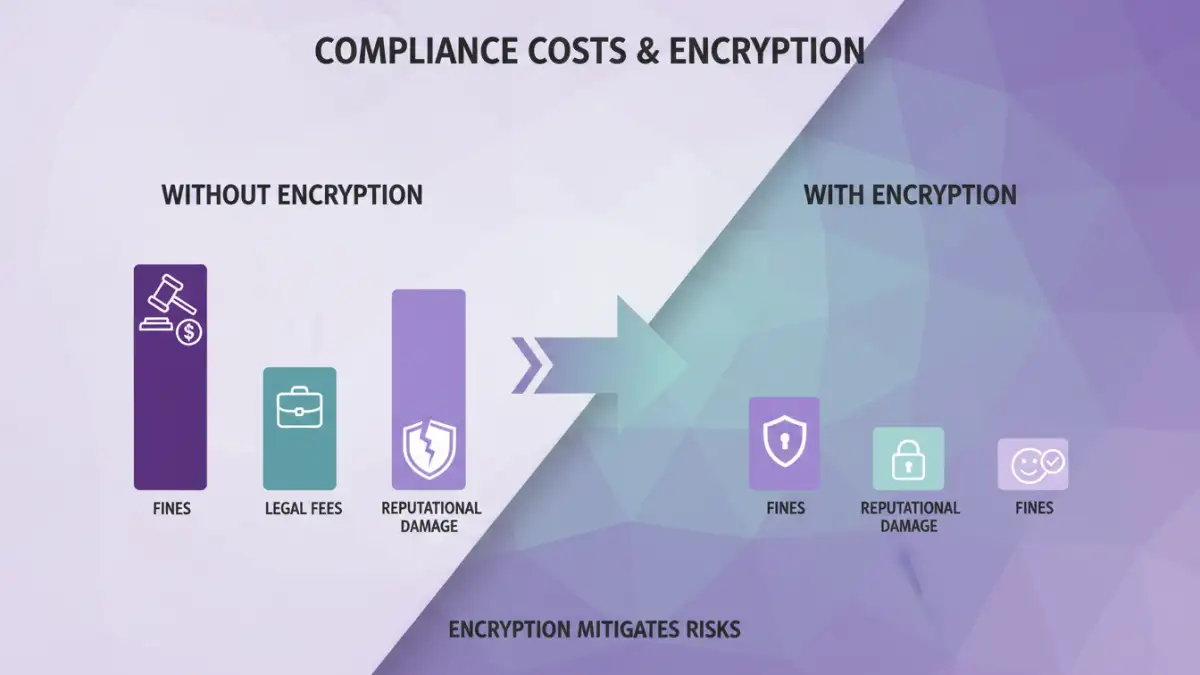
Many organizations view cybersecurity as a necessary overhead. This perspective often leads to underfunding essential security tools and practices. However, the cost of a data breach, including incident response, legal fees, public relations damage control, and lost customer trust, far outweighs the investment in preventative measures like encryption. When we talk about secure files, we're talking about an initial investment that pays dividends by avoiding these catastrophic expenses.
The True Cost of Data Protection
Beyond direct fines, consider the indirect costs: reputational damage, loss of competitive advantage, and the time spent recovering from an incident. Investing in encryption is akin to purchasing insurance, but with the added benefit of actively protecting your assets rather than just covering losses after the fact. It’s about building resilience and minimizing your overall risk exposure.
The Steep Cost of Non-Compliance
Regulatory frameworks like GDPR, CCPA, HIPAA, and others mandate specific data protection standards. Failing to meet these requirements, especially regarding the confidentiality and integrity of sensitive data, can result in fines that can cripple a business. I've seen companies face penalties amounting to millions of dollars, not to mention the extensive legal battles and audits that follow.
Beyond Fines: The Broader Compliance Burden
The cost of non-compliance isn't limited to direct fines. It includes the mandatory notification of affected individuals, credit monitoring services for those impacted, and the potential for class-action lawsuits. Furthermore, regulatory scrutiny can lead to operational restrictions and a damaged public image, impacting future business opportunities. Implementing strong encryption is a clear step towards meeting these compliance obligations.
Calculating the Encryption ROI
The return on investment for encryption isn't always immediately obvious in traditional accounting terms, but it's undeniable. The primary driver of encryption ROI is compliance cost reduction. By encrypting sensitive files, you drastically reduce the risk of a data breach that would trigger regulatory penalties. This proactive stance prevents the significant financial outlays associated with fines and remedial actions.
Quantifying Data Security Savings
Consider the potential fines for a data breach under regulations like GDPR, which can reach up to 4% of annual global revenue. For a company with $100 million in revenue, a single breach could cost $4 million. If the cost of implementing robust file encryption across the organization is significantly less than this potential loss, the ROI is immediately apparent. Moreover, encryption enhances data security savings by preventing the costs associated with recovery, legal defense, and reputational repair.
Strategies for Effective Encryption
Implementing secure files encryption doesn't have to be an insurmountable task. Many operating systems and software applications offer built-in encryption features. For instance, BitLocker on Windows and FileVault on macOS provide full-disk encryption. For specific files or folders, tools like VeraCrypt or built-in password protection in applications like Microsoft Office or Adobe Acrobat can be utilized.
Choosing the Right Encryption Tools
The choice of encryption method depends on the sensitivity of the data and the regulatory requirements. End-to-end encryption for communications, full-disk encryption for laptops, and file-level encryption for sensitive documents are all viable strategies. It's crucial to use strong, industry-standard encryption algorithms like AES-256 and to manage encryption keys securely. My experience shows that a layered approach, combining multiple encryption strategies, offers the most robust protection.
Real-World Impact and Savings
Numerous case studies demonstrate the financial benefits of encryption. Companies that have suffered data breaches without adequate encryption often face crippling fines and long-term damage. Conversely, organizations that prioritize encryption and data security often avoid these scenarios, thereby preserving capital and reputation. The data security savings are realized through the avoidance of breach-related expenses.
Document Protection Value in Practice
The value of document protection through encryption becomes crystal clear when a potential breach is averted. Imagine a scenario where a laptop containing sensitive client data is lost or stolen. If the hard drive is encrypted, the data remains inaccessible, preventing a reportable breach and its associated costs. This is a direct, tangible financial benefit that justifies the investment in secure files encryption.
Comparison Table: Encryption Methods and Their Application
| Method | Primary Use Case | Security Level | Implementation Complexity | Cost Implication |
|---|---|---|---|---|
| Full-Disk Encryption (e.g., BitLocker, FileVault) | Protecting all data on a device | High | Moderate | Often built-in (free), some enterprise management costs |
| File/Folder Encryption (e.g., VeraCrypt, OS tools) | Securing specific sensitive files/folders | High | Moderate to High | Free to moderate cost for advanced tools |
| Application-Level Encryption (e.g., Office 365 Message Encryption, PDF passwords) | Protecting data within specific applications | Moderate to High (depends on key management) | Low to Moderate | Often included with software subscriptions or free for basic PDF passwords |
| End-to-End Encryption (e.g., Signal, secure email) | Protecting data in transit and at rest for communication | Very High | Low (for user) to Moderate (for setup) | Varies, often free for basic services |