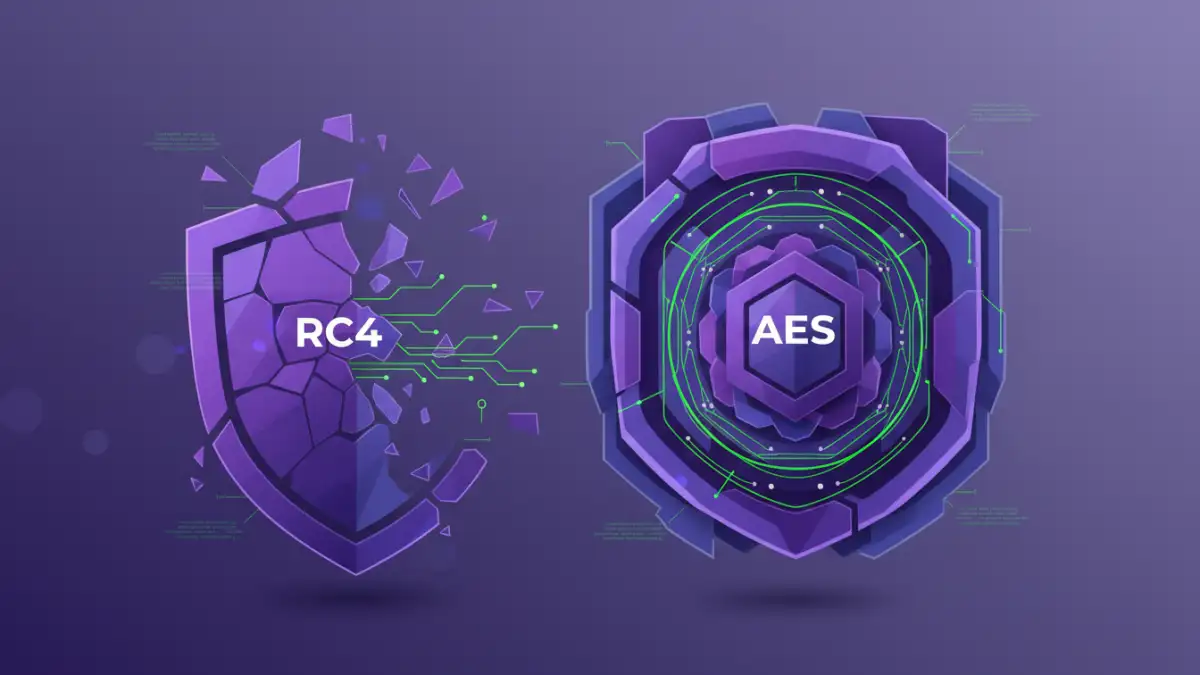
Have you ever encountered an old, password-protected document and wondered about the security mechanisms safeguarding it? Or perhaps, as I have in my decade-plus career, you've had to migrate critical data and ensure its ongoing protection. The journey of securing digital documents is a fascinating one, marked by continuous innovation and the retirement of older, less secure methods.
Table of Contents
The Evolution of Document Encryption
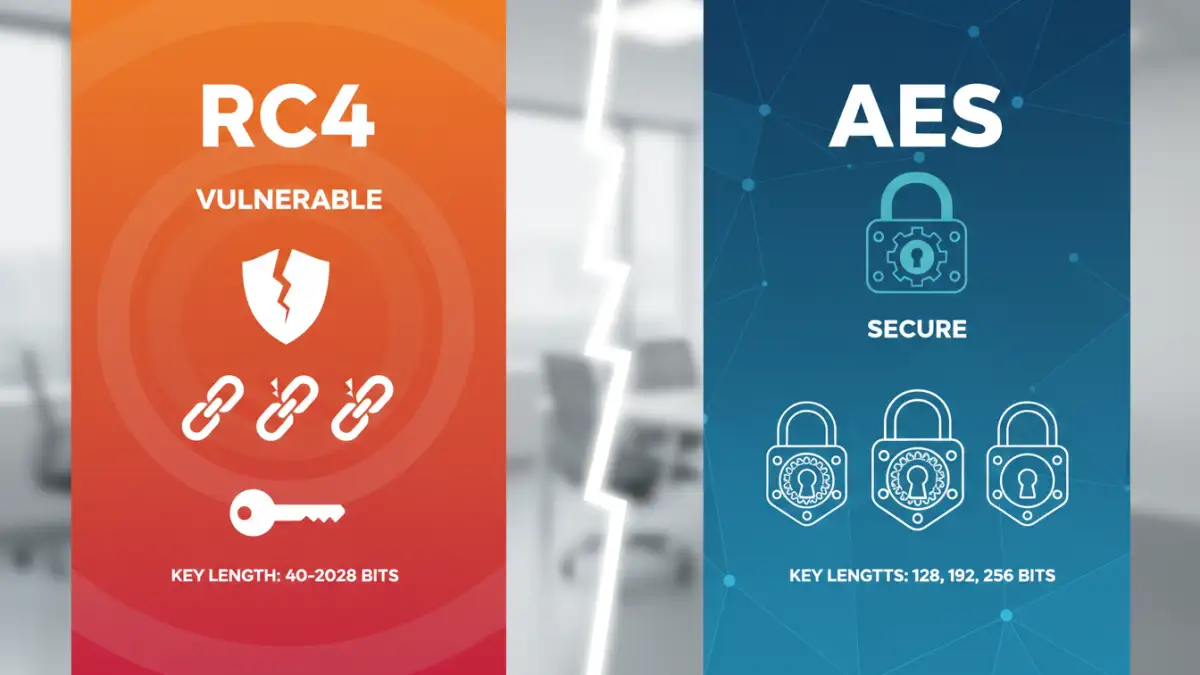
Early digital documents often relied on rudimentary protection methods, sometimes just password-based access control without strong encryption. As sensitive information increasingly moved into digital formats, the need for robust cryptographic solutions became undeniable. This shift prompted a significant document encryption progress, pushing algorithms to become more complex and resilient against emerging threats.
Early Days of Digital Security
In the nascent stages of digital document management, encryption was often an afterthought or implemented with simpler, less computationally intensive algorithms. The focus was sometimes more on functionality and less on the long-term, adversarial security landscape. This approach, while sufficient for its time, quickly proved inadequate as computing power grew and cyber threats evolved.
The Need for Stronger Algorithms
The internet's proliferation and the increasing value of digital assets highlighted the vulnerabilities of weaker encryption. Governments, businesses, and individuals began demanding stronger guarantees of confidentiality and integrity. This demand fueled rapid innovation in cryptography, leading to the development and standardization of more secure algorithms, fundamentally changing file security standards.
RC4: A Brief History and Its Downfall
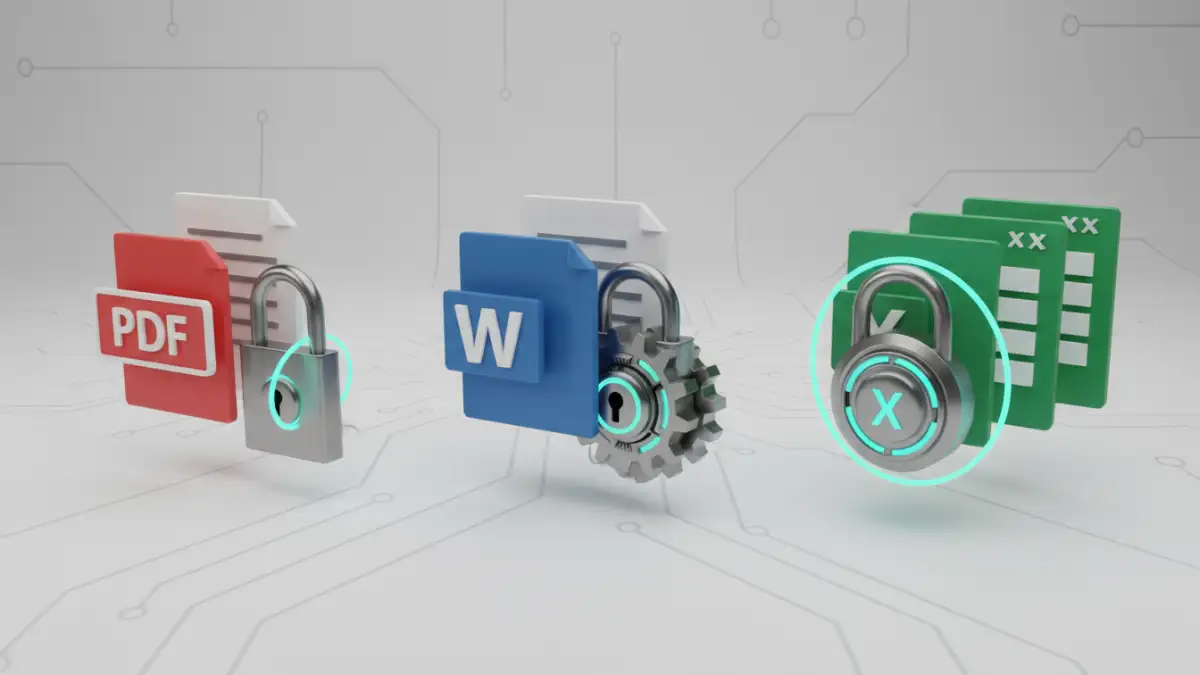
RC4, or Rivest Cipher 4, was once a widely used stream cipher, particularly popular for its simplicity and speed. Developed in 1987 by Ron Rivest for RSA Security, it found its way into numerous protocols and applications, including SSL/TLS (for web browsing), WEP (for Wi-Fi), and PDF document encryption. For many years, it was a workhorse in the field of digital security.
How RC4 Worked
RC4 operates by generating a pseudorandom stream of bits, known as a keystream, which is then XORed with the plaintext to produce the ciphertext. Its key scheduling algorithm (KSA) and pseudorandom generation algorithm (PRGA) were designed to be efficient. This efficiency made it attractive for systems with limited computational resources, like early embedded devices and network protocols.
Vulnerabilities and Retirement
Despite its widespread adoption, RC4 was eventually found to have significant cryptographic weaknesses. Researchers discovered biases in its keystream, leading to practical attacks that could recover portions of the plaintext or even the encryption key itself. These vulnerabilities, particularly in protocols like WEP and TLS, led to its deprecation. Experts strongly advise against using RC4 encryption for any new applications or sensitive data, marking a crucial point in encryption algorithm evolution.
The Rise of AES: Modern Security Standards
As RC4's weaknesses became apparent, the cryptographic community rallied to find a successor. This led to the Advanced Encryption Standard (AES), a block cipher adopted by the U.S. government in 2001 and now a global standard. AES encryption represents a significant leap forward in security, offering a robust and widely trusted solution for securing digital information, including documents.
Understanding AES Encryption
AES operates on fixed-size blocks of data (128 bits) using a symmetric key, meaning the same key is used for both encryption and decryption. It supports key lengths of 128, 192, and 256 bits, with longer keys offering greater security. The algorithm involves a series of substitutions, permutations, and mathematical operations over multiple rounds, making it highly resistant to known attacks. Its design was a result of an open competition, ensuring rigorous scrutiny from cryptographers worldwide.
AES in Document Protection
Today, AES encryption is the default and recommended algorithm for securing sensitive documents across various platforms and applications. From Microsoft Office files to PDFs and encrypted archives, AES provides the strong cryptographic foundation necessary to protect data confidentiality. When you password-protect a document in modern software, it's highly likely using AES-128 or AES-256 in a robust mode of operation, ensuring adherence to current file security standards.
Impact on File Security and Best Practices
The transition from algorithms like RC4 to AES has had a profound impact on file security. It has elevated the baseline of what is considered secure encryption, pushing developers and users alike to adopt more resilient practices. Understanding this evolution is key to implementing effective document security strategies.
Ensuring Robust Document Encryption
My experience working with various systems has shown that simply having an encryption option isn't enough; the underlying algorithm matters immensely. Always choose applications and formats that support AES-256 encryption. For instance, when creating password-protected PDFs, ensure your software allows you to specify the encryption strength. Similarly, for archiving sensitive files, use tools that leverage strong modern ciphers. This vigilance is a cornerstone of maintaining strong file security standards.
Beyond Algorithms: Comprehensive Security
While the choice of encryption algorithm is critical, it's just one piece of the puzzle. Comprehensive document security also involves strong password policies, secure key management, and protection against other attack vectors like phishing or malware. Regularly updating software, using multi-factor authentication, and backing up encrypted data are all essential components of a robust security posture. The ongoing document encryption progress is about more than just algorithms; it's about a holistic approach to data protection.
Looking Ahead: The Future of Document Encryption
The field of cryptography is never static. As quantum computing advances, cryptographers are already working on post-quantum cryptography (PQC) algorithms designed to resist attacks from quantum computers. While AES is currently considered secure against classical computers, future threats necessitate ongoing research and development in encryption algorithm evolution. This ensures that our document encryption progress continues, safeguarding information for generations to come.
Encryption Algorithm Comparison
| Algorithm | Key Lengths | Security Level | Common Use Cases |
|---|---|---|---|
| RC4 | 40-2048 bits | Deprecated, Weak | Legacy systems (WEP, some old SSL/TLS), older PDF encryption |
| AES-128 | 128 bits | High | General purpose document encryption, secure communications |
| AES-256 | 256 bits | Very High | Top-secret government documents, highly sensitive data, recommended for most applications |
| ChaCha20 | 256 bits | High | Modern TLS, VPNs, an alternative to AES in some contexts |