
When developers interact with APIs, especially those handling sensitive data like secure file transfers, the documentation is their primary guide. Poorly written or incomplete documentation can lead to frustration, implementation errors, and even security vulnerabilities. My experience has shown that investing time in creating clear, comprehensive, and accessible documentation is not just good practice; it's essential for the success and adoption of any secure file API.
The goal is to make complex processes understandable and easy to follow, ensuring that developers can integrate the API efficiently and securely. This involves anticipating developer needs and providing them with all the necessary information upfront.
Table of Contents
Understanding the Importance of Good Documentation
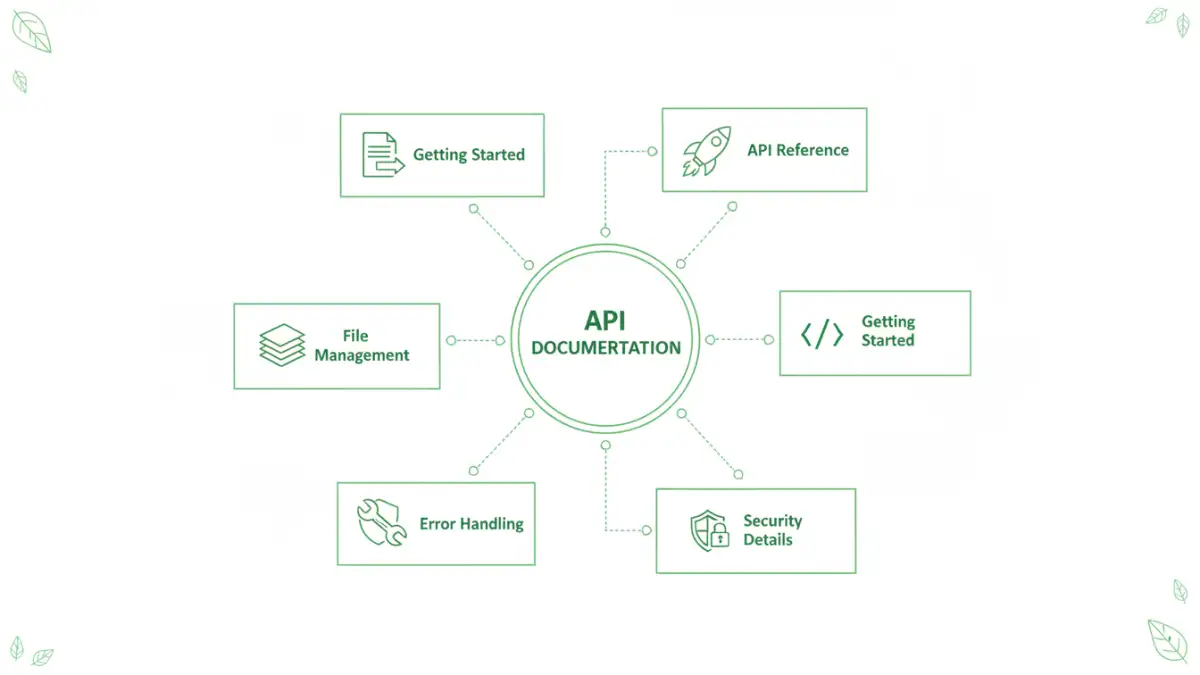
Effective documentation acts as the bridge between your secure file API and the developers who need to use it. When documentation is clear, accurate, and easy to navigate, it significantly boosts the developer experience. This leads to faster integration times, fewer support requests, and greater confidence in using your API for sensitive file operations.
Conversely, confusing or missing documentation can deter potential users, increase development costs, and introduce security risks if developers make incorrect assumptions about how to handle files securely. Prioritizing user friendly secure file api documentation from the outset is crucial.
Enhancing Developer Experience
A positive developer experience is paramount. This means providing clear examples, straightforward explanations, and readily available answers to common questions. When developers feel supported by excellent documentation, they are more likely to adopt and champion your API.
Key Elements of User-Friendly Documentation

To create documentation that truly serves developers, several core components must be present. These elements work together to provide a complete and supportive resource.
Clear API Reference: This is the backbone. It should detail every endpoint, parameter, request method, and response code. Each element needs a precise description, data type, and whether it's required or optional. Examples for each endpoint are invaluable.
Getting Started Guides: New users need a quick and easy path to their first successful API call. A step-by-step guide that walks them through authentication, a simple file upload, and a basic download is essential. This helps build confidence early on.
Code Examples: Providing code snippets in popular programming languages (e.g., Python, JavaScript, Java) for common tasks demonstrates how to interact with the API. These examples should be well-commented and functional.
Authentication and Security Details
Given the nature of secure file APIs, detailed information on authentication methods (API keys, OAuth, tokens) and security protocols is non-negotiable. Explain how to securely manage credentials and what security measures are in place to protect data in transit and at rest.
Structure and Organization
How information is organized significantly impacts its usability. A logical structure helps developers find what they need quickly without getting lost.
Intuitive Navigation: A well-designed table of contents, clear headings, and a powerful search function are critical. Developers should be able to jump directly to the section they need, whether it's authentication, error handling, or a specific file operation.
Consistent Formatting: Using consistent styles for code blocks, parameter descriptions, and notes makes the documentation predictable and easier to scan. This consistency contributes to overall api docs usability.
Content Best Practices
The quality of the writing itself is as important as the structure. Clarity, conciseness, and accuracy are key.
Use Clear and Concise Language: Avoid jargon where possible, or define it clearly if necessary. Write in a straightforward manner that is easy for developers of varying experience levels to understand. Focus on what the developer needs to *do*.
Provide Realistic Examples: The code examples and scenarios presented should reflect real-world use cases. Show how to handle common file types, manage large files, and deal with potential errors gracefully. This makes the developer experience api much smoother.
Explain Error Codes Thoroughly: When an API call fails, developers need to understand why. A comprehensive list of error codes, their meanings, and suggested solutions is crucial for debugging.
Advanced Considerations
Beyond the basics, several advanced aspects can elevate your documentation.
SDKs and Client Libraries: If you offer Software Development Kits or client libraries, ensure their documentation is as robust as the API docs themselves. This provides an even more streamlined way for developers to interact with your secure file services.
Version Control: Clearly document API versions, including changelogs for updates, deprecations, and new features. This helps developers manage their integrations as your API evolves.
Comparison Table: Documentation Elements vs. Developer Needs
| Documentation Element | Addresses Developer Need For | Impact on Adoption |
|---|---|---|
| Clear API Reference | Specific endpoint/parameter details | High - Essential for implementation |
| Getting Started Guide | Quick onboarding and initial success | High - Builds confidence and reduces friction |
| Code Examples | Practical implementation guidance | Medium-High - Speeds up development |
| Error Code Explanations | Troubleshooting and debugging | High - Reduces frustration and support load |
| Security & Auth Details | Secure integration and data protection | Critical - Non-negotiable for sensitive data |
| SDK/Library Docs | Simplified integration paths | Medium - Offers alternative integration methods |
Creating user friendly secure file api documentation requires a deep understanding of the developer's journey. By focusing on clarity, completeness, and ease of use, you can significantly improve the adoption and success of your secure file API, ensuring that developers can leverage its capabilities effectively and securely.