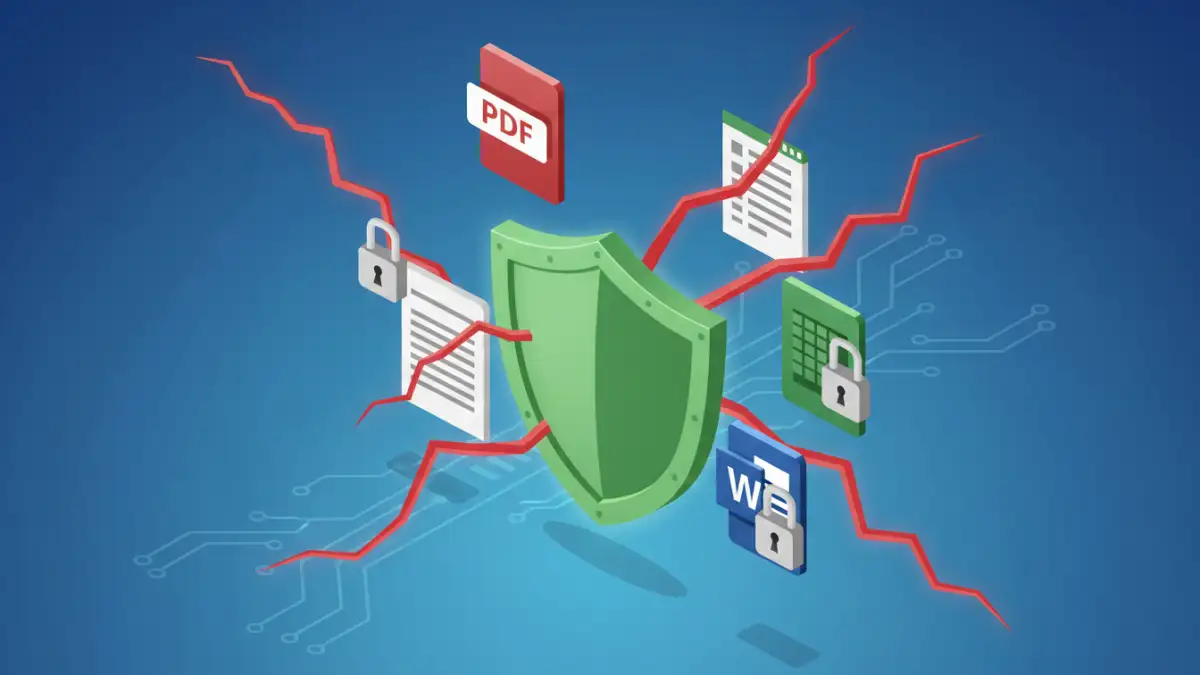
I recently helped a startup client who had a critical data breach — not from an external hack, but from an improperly shared, encrypted document. The encryption was there, but the key management was flawed, exposing sensitive customer data. This experience highlighted a crucial point: simply encrypting a document isn't enough; we need to thoroughly evaluate the associated encryption risks for effective secure document sharing.
As a software engineer with over a decade in the trenches, I've seen firsthand how easily well-intentioned security measures can fall short if not fully understood. Protecting sensitive documents isn't just about applying a lock; it's about understanding the vulnerabilities inherent in the process, from key exchange to storage, and ensuring robust data encryption best practices are followed every step of the way.
Table of Contents
Understanding the Landscape of Sensitive Document Sharing
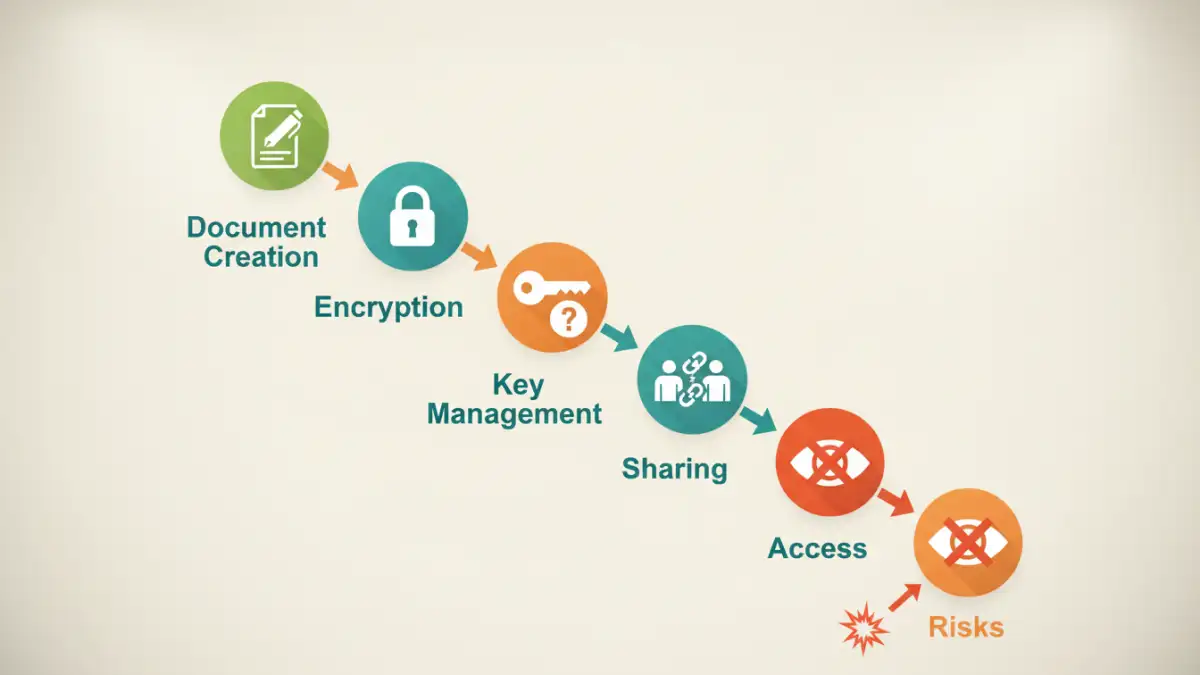
Sharing confidential information, whether it's financial records, intellectual property, or personal data, is a daily necessity for most organizations. The goal is always to ensure that only authorized individuals can access and view these documents. This imperative drives the widespread adoption of various encryption technologies.
The Role of Encryption in Confidentiality
Encryption transforms readable data into an unreadable format, making it inaccessible to unauthorized parties. It's a fundamental pillar of data security, ensuring confidentiality and integrity. However, the effectiveness of encryption hinges on its proper implementation and management throughout the document lifecycle.
Without robust encryption, sensitive documents are vulnerable to interception and exposure during transit or at rest. This could lead to severe legal, financial, and reputational damage. My work often involves designing systems where data is encrypted from creation to deletion, illustrating the comprehensive approach needed.
Common Encryption Risks in Document Workflows

While encryption is powerful, it introduces its own set of challenges and potential vulnerabilities. These are the critical encryption risks that must be evaluated and addressed proactively to prevent data breaches and maintain confidentiality.
Inadequate Key Management
The strength of any encryption lies in the security of its keys. Poor key management, such as using weak keys, reusing keys, or storing them insecurely, is a major vulnerability. If an attacker gains access to the encryption key, the encrypted data becomes immediately readable.
I've seen organizations struggle with distributing keys securely to recipients, often resorting to insecure channels like email. This completely undermines the purpose of encryption, turning a secure document into an open book if the email account is compromised.
Human Error and Insider Threats
Even the most sophisticated encryption can be bypassed by human error. Accidentally sharing an encryption key, using an easily guessable password for an encrypted file, or sending an encrypted document to the wrong recipient are common mistakes. Insider threats, where authorized users intentionally misuse their access, also pose significant confidentiality risks.
Training and awareness are crucial here. Employees need to understand the implications of their actions and follow strict protocols for handling sensitive information. A single misstep can compromise an entire system, regardless of the underlying cryptographic strength.
Vulnerabilities in Encryption Algorithms or Implementations
While modern encryption algorithms like AES are considered very strong, vulnerabilities can arise from outdated algorithms or flawed implementations. Using deprecated algorithms or open-source libraries with known security bugs can create backdoors for attackers. Staying current with cryptographic standards and patching software regularly is essential.
As part of my role, I frequently review third-party encryption libraries and tools to ensure they adhere to current security standards and don't introduce hidden weaknesses. Trusting a tool without vetting its cryptographic underpinnings is a significant risk.
Mitigating Encryption Risks: Best Practices
Addressing these challenges requires a multi-faceted approach, combining robust technical controls with strong policy and user education. Implementing these data encryption best practices is vital for secure document sharing.
Implement Strong Key Management Policies
Centralized, secure key management systems (KMS) are crucial. These systems should generate strong, unique keys, store them securely, and manage their lifecycle, including rotation and revocation. Access to keys must be strictly controlled and audited.
For individuals, this means using strong, unique passwords for encrypted files and never sharing them via insecure channels. Tools like password managers can help generate and store these securely, reducing the burden on users.
Educate Users and Enforce Access Controls
Regular security awareness training for all employees is paramount. This should cover secure handling of sensitive data, recognizing phishing attempts, and proper use of encryption tools. Implementing granular access controls ensures that users only have access to the documents they need, reducing the blast radius of any potential breach.
In many projects, I've implemented role-based access control (RBAC) to ensure that even if an encrypted document is somehow accessed, the user's permissions limit what they can do with it. This layered security approach adds another critical defense.
Regularly Audit and Update Encryption Systems
Security is not a one-time setup; it's an ongoing process. Regularly auditing your encryption systems, including algorithms, key management practices, and access logs, helps identify weaknesses. Staying current with software updates and patches for all encryption tools is non-negotiable.
This includes monitoring for new cryptographic vulnerabilities and being prepared to migrate to stronger algorithms if older ones become compromised. Proactive monitoring and incident response plans are essential components of a mature security posture.
Selecting the Right Encryption Tools and Methods
The market offers a wide array of tools and methods for encrypting documents. Choosing the right one depends on your specific needs, the sensitivity of the data, and your existing infrastructure.
Built-in Operating System Features
Both Windows (BitLocker, EFS) and macOS (FileVault) offer robust built-in encryption for entire disks or individual files. These are generally easy to use and well-integrated into the operating system. They provide a good baseline for protecting data at rest on personal devices.
However, sharing encrypted files created this way can be cumbersome, often requiring the recipient to have the decryption key or the same OS. This method is excellent for personal device security but less so for collaborative secure document sharing across diverse environments.
Dedicated Encryption Software and Services
For more advanced needs, dedicated encryption software like VeraCrypt or services integrated into document management systems (DMS) provide greater flexibility and control. These often support various encryption algorithms, offer stronger key management features, and facilitate secure sharing.
Cloud-based secure document sharing platforms often include end-to-end encryption, ensuring data is encrypted both in transit and at rest, and only decrypted by authorized users. When evaluating these, I always look for transparency in their security practices and independent audits.
Encryption Method Comparison for Sensitive Document Sharing
| Method | Pros | Cons | Best For |
|---|---|---|---|
| Operating System Encryption (e.g., BitLocker, FileVault) | Easy to use, integrated, full disk encryption | Sharing can be complex, limited cross-platform compatibility | Securing personal devices and local storage |
| Password-Protected Document Features (e.g., MS Office) | Simple for single files, widely compatible | Often uses weaker algorithms, key sharing is manual | Basic protection for non-critical documents |
| Dedicated Encryption Software (e.g., VeraCrypt) | Strong algorithms, flexible, open-source options | Steeper learning curve, requires installation by all parties | Highly sensitive data, advanced users, secure containers |
| Secure Document Sharing Platforms (e.g., specialized cloud services) | End-to-end encryption, centralized control, easy collaboration | Subscription costs, vendor lock-in, trust in provider's security | Business collaboration, large-scale sensitive document sharing |